


Double-height living room with floor-to-ceiling glazing onto a pool terrace and a long stone fireplace
For investors

Lending at the bottom of the property stack.

We only fund bespoke, interesting projects that can hold their value through market swings because of their scarcity, unique design elements and superior build quality. We lend against land and certified build costs, never against what a scheme might sell for, so our loan sits within roughly the first 55% of a finished scheme's value.

Image illustrative of the standard we look for, not a completed project

What we fund

We don't fund standard product that competes on price alone. We only fund bespoke and interesting schemes that have the ability to withstand market volatility.

Kitchen with a green marble island, walnut cabinetry and three pendant lights
Illustrative

Scarcity

Sites and buildings that can't easily be repeated: established locations, character buildings and land in short supply. Scarce stock holds its value when new supply floods a market.

Unique design elements

Schemes with a clear design idea, often drawing on the heritage of the site, that buyers and tenants actively choose over the standard alternative.

Superior build quality

A higher build and finish standard, checked by our own QS and monitoring team at every drawdown.

Four ways to invest

Each deal is raised separately, so you choose the scheme as well as the route, and we often invest alongside our investors in the same deals. All figures below are illustrative, calculated on the worked example further down the page. See the schemes open now in Current Opportunities.

Wine room with walnut racking and marble shelves

Quality is what keeps a scheme selling when the market slows.

How your money is secured

Our relationship is with you, the investor. By running our own QS and monitoring, we check every drawdown on your behalf before any money is released. The worked example is a scheme with £2.5m land and £4.0m build costs, valued at £10.0m on completion. That's land 25%, build 40%, sundry 10% and developer profit 25% of the finished value.

Return against the level of debt

Up to 65% of land and costs, every pound is 1st charge at 9%. From 65% to 85% the mezzanine pays 13.5%. More debt means more return and a thinner cushion.

Business Relief route

Investors can hold shares in an unquoted lending company instead of lending directly. Returns build up in the share price. After two years, the shares can qualify for 100% relief from inheritance tax up to the allowance, and 50% above it.

Contemporary house at dusk with a double-height glazed wall and a terrace with a fire table
Illustrative

Investing with inheritance tax in mind

We work in conjunction with WAY Fund Managers (FCA regulated) and WAY Trustees in the modelling of our funding arrangements and regulatory requirements. If inheritance tax matters to you, there are two ways to hold your investment through them.

With WAY Trustees

Through an IHT trust

You gift money into a trust run by professional trustees, and the trust invests in our deals.

  • Growth on the money you gift is outside your estate from day one.
  • The gift itself leaves your estate once you survive it by seven years.
  • A flexible reversionary trust can pay you set amounts back over time, so you keep access to some of the money.
  • Professional trustees run the trust, and it can carry on for your family after you.

Gifts into this kind of trust above the £325,000 nil-rate band can be taxed at 20% when made, and the trust can pay up to 6% every ten years.

Visit WAY Trustees ↗

With WAY Fund Managers (FCA regulated)

Through a Business Relief fund

You buy shares in a company that lends into our deals, and the shares can qualify for Business Relief from inheritance tax.

  • Relief after two years held, not seven.
  • You keep ownership of the shares and can sell them. There's no gift and no trust.
  • 100% relief up to the £2.5m allowance, and 50% above it.
  • Returns build up in the share price rather than being paid out as income.

Shares in unquoted companies are higher risk and can be hard to sell, and relief depends on the company continuing to qualify.

Visit WAY Fund Managers ↗

Fees

On a loan, the raise fees, monitoring, valuation and legal fees are paid by the developer, not taken from your money. On an invest-and-hold deal, all we take is a 2% introduction fee, 10% of the rent and 10% of the profit when the property is sold.

FeeRatePaid by
Fund management fee (lending)1% a yearInvestors
Set-up (investor campaign)2% of funds raisedDeveloper
Raise fee, up front2% of funds raisedDeveloper
Raise fee, back end2% of funds raised, from sale proceedsDeveloper
Invest & hold: introduction fee2% of the money investedInvestors
Invest & hold: fee on rent10% of rentInvestors
Invest & hold: fee on profit10% of the profit at saleInvestors
Monitoring charge£1,000 per drawdownDeveloper
Profit share (lending)10% of any sale price above the agreed sale valueDeveloper, to investors
Independent valuation and both sides' legal feesAt costDeveloper
Business Relief: management fee1.5% a yearInvestors, taken inside the share price

Tokenised investment In development

Tokenisation changes how your holding is recorded and transferred. It doesn't change the property, the loan or the security underneath it.

What changesWhat doesn't
Your holding is recorded on a digital register you can see at any timeThe property, development and credit risk
Interest and distributions are paid automaticallyThe 1st and 2nd charge security, and the fees
Holdings can be split into smaller amountsThe term of the loan or hold
You can transfer to another approved investor before the endA buyer isn’t guaranteed, so you may still have to wait
Apartment buildings at dusk with lit windows, balconies and planted roof terraces
Illustrative

How it works

  1. The deal is set up as normalA loan participation or units in the property company, with the same security, documents and monitoring.
  2. Your holding is issued as tokensEach token records a share of that holding on a regulated digital ledger. The ledger is the register of who owns what.
  3. Payments go to token holdersInterest and distributions are paid automatically, in proportion to each holding.
  4. Transfers between approved investorsYou can sell tokens to another approved investor on the platform. At redemption or sale, tokens are paid out and cancelled.

Where the UK stands: the FCA published final rules for tokenised authorised funds on 30 April 2026 (PS26/7), allowing fund registers to be kept on a digital ledger. Tokenised property development funds are also being tested in the Bank of England and FCA Digital Securities Sandbox. Our tokenised route will be offered only through a structure authorised for it, so its status is shown as in development.

Risks

Read these before investing in any of the three routes.

  • Your capital is at riskYou may get back less than you invest. Past or illustrative returns are not a guide to future returns.
  • Hard to sellLoans and units run to the end of the scheme. Tokenised holdings can be transferred, but only if another approved investor wants to buy.
  • Development riskBuild costs, delays and planning can reduce the value of the security.
  • Valuation riskTrading assets are valued on forecasts. Lenders' valuers discount forecasts until there's a trading record.
  • Tax rules can changeBusiness Relief depends on current law and on the company continuing to qualify.
  • No compensation schemeThese investments are not covered by the Financial Services Compensation Scheme.
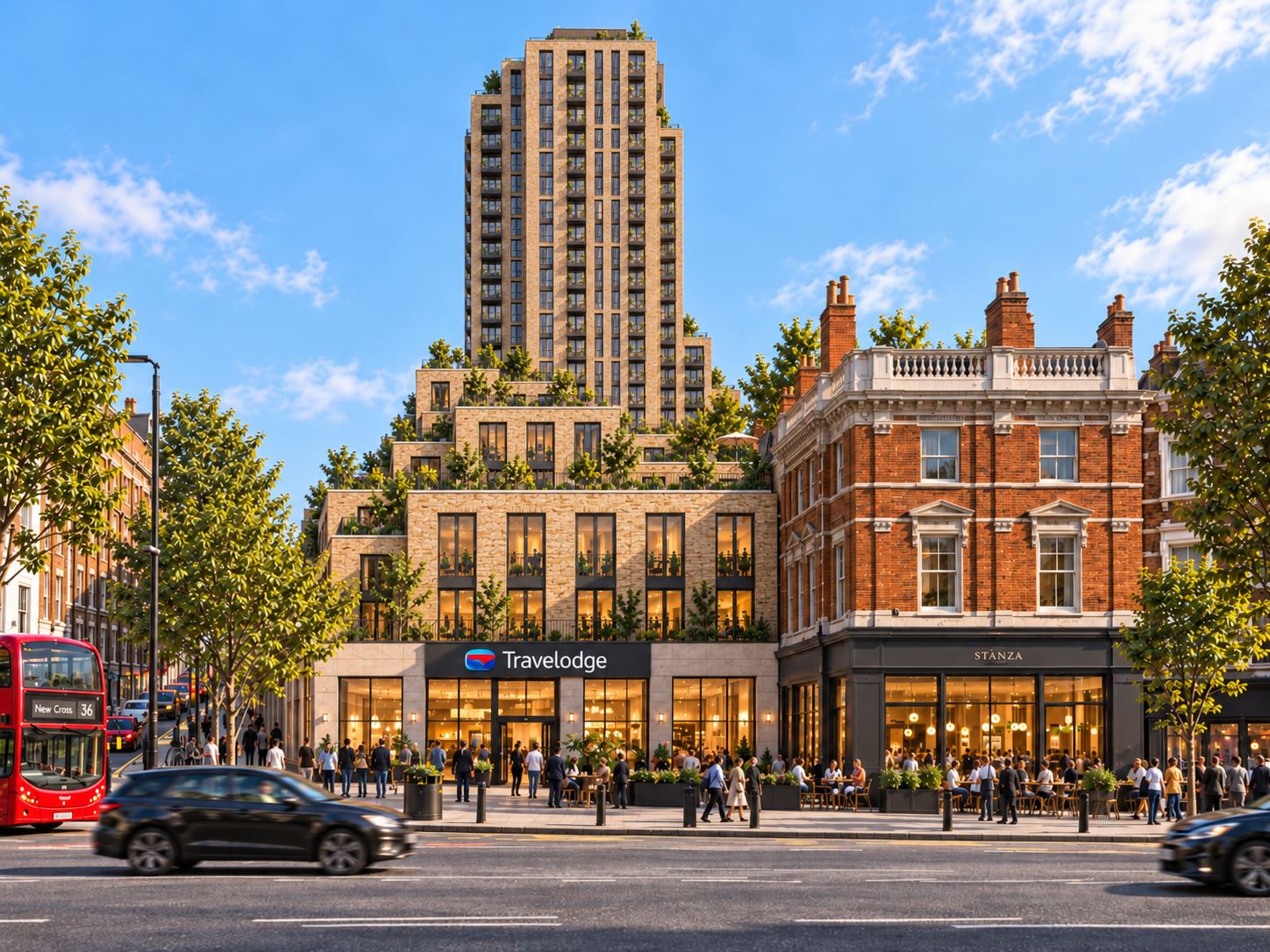
Computer-generated street view of a retained red-brick bank building with a new tower rising behind it
Current Opportunities

Schemes open to investors now.

Four schemes, each raised on its own. Figures are worked out on our terms. Full details, including the legal documents, are provided to investors who register an interest.

The Venue SE14: computer-generated image of the proposed scheme

Register your interest

Tell us which schemes interest you and we'll be in touch with the full details. Developers looking for funding can use this form too.

Schemes I'm interested in

Contact us

Email
info@keystagecapital.com
Telephone
07599 663799

Your capital is at risk. Registering your interest doesn't commit you to anything.

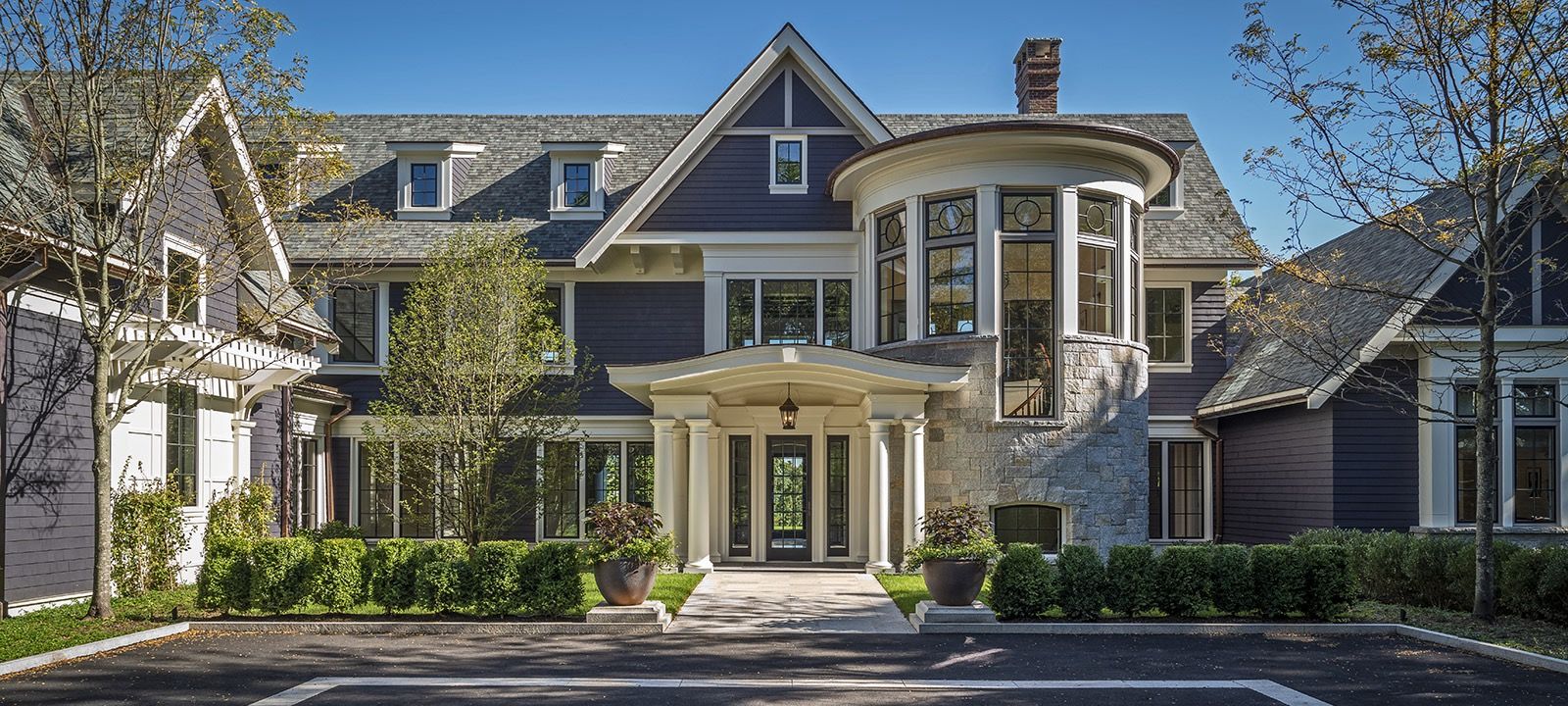
Large shingle-clad family house with a stone turret and columned porch
For developers

Finance sized on what you spend, not what you hope to sell for.

We fund up to 85% of land and build costs: 65% as a 1st charge at 9% a year, and a further 20% as a mezzanine 2nd charge at 13.5%. Land is funded on day one, and build costs monthly against certified drawdowns.

Image illustrative of the standard we look for, not a completed project

Support that keeps your costs down

We don't just lend. Our own teams and partners work on your scheme, so the money we lend goes further and your build stays on programme.

In house

Quantity surveying

We run in-house QS services to keep your costs at a minimum.

In house

Monitoring

We run in-house monitoring services to keep your costs at a minimum. The charge is £1,000 per drawdown.

In house

Logistics

We have our own logistics team that can provide you with extremely competitive quotes due to our buying power and market awareness.

Partner

Scaffolding

Scaffolding comes through our partner scaffold business. We buy at volume and know what the market is paying, so your scaffold is priced well below what you'd get quoting on your own.

One lender

1st and 2nd charge together

We provide both the 1st charge and the mezzanine. That means one credit decision, one set of loan documents and one monitoring process, instead of two lenders to coordinate.

Investor backed

We raise the money

Each scheme is raised with its own investor campaign. Your raise fees are paid as funds come in and at sale, not added to your loan.

What you'd typically pay elsewhere

Market ranges for UK development finance, set against our terms. Interest and our raise fees are shown in full in the calculator below.

CostTypical in the marketWith us
Arrangement fee1% to 2%2% set-up and 2% up front, of funds raised, as they're raised
Exit fee0% to 1.5%2% of funds raised, from sale proceeds
Monitoring£500 to £1,500 per visit£1,000 per drawdown
Valuation and legal feesPaid by the borrower, both sidesIndependent valuation and both sides' legal fees, paid by you
Interest0.7% to 1.5% a month0.75% a month (9% a year) 1st charge, 1.125% a month (13.5% a year) mezzanine

Market ranges from published UK development finance guides: arrangement, exit and monitoring fees; monthly interest rates.

How a drawdown works with us

Drawdowns are paid monthly in arrears. Inspection and certification sit inside one team, and in exceptional cases we'll consider an emergency drawdown.

  1. You request a drawdownSend the request with your invoices and progress for the period.
  2. Our monitoring team inspectsThe same team that knows your cost plan visits site and checks the works.
  3. Our QS certifies the valueWorks done are valued against the agreed cost plan.
  4. Funds released monthly in arrearsThe certified amount is advanced at your loan percentage of the cost, less the £1,000 monitoring charge.

Terms

Loan sizeUp to 85% of land + build costs
1st chargeUp to 65% of land + build costs, 9% a year
2nd charge (mezzanine)65% to 85% of land + build costs, 13.5% a year
LandAdvanced on day one
Build costsReleased monthly in arrears against certified drawdowns
Sites without planning65% of today's value at 13.5% for up to 12 months, or 50% at 9%. Once planning is granted, standard terms apply: 65% at 9% plus a 20% top-up at 13.5%
Monitoring£1,000 per drawdown
Profit share10% of any sale price above the agreed sale value, set by the independent valuation, paid to investors
Valuation and legalsIndependent valuation and both sides' legal fees, paid by you
InterestRolled up to exit, or paid from trading
ExitSale of the completed scheme, or refinance

What we look for

Your scheme's value, from the bottom up. Our debt sits in the costs. Your profit sits at the top.

Bespoke schemes with scarcity, design and quality on their side. We appraise them against this split of the completed value. You can change it in the calculator below, and the four parts always add up to 100%.

Land25% of value
Build costs40%
Sundry: legals, stamp duty, contingency10%
Developer profit25%
Your equity15% of land + build costs, plus sundry

Interest, the monitoring charge and raise fees are not in the 10% sundry. They come out of your profit, and the calculator shows by how much.

Sites without planning yet

Until planning is granted we lend against the site's value today, not against costs. You choose one of two options.

Option A

More money now

65%

of today's value, at 13.5% a year, for up to 12 months. Once planning is granted, the 65% drops to 9%, with a 20% top-up at 13.5%.

Option B

Cheaper money now

50%

of today's value, at 9% a year. Once planning is granted, the loan rises to 65% at 9%, with a 20% top-up at 13.5%.

Buyers for your finished homes

Investors who lend into your scheme can buy a home in it. You offer them a discount, and they can use the return they've rolled up on their investment as their deposit.

What you getBuyers lined up from the investors already funding your scheme
What it costs youA discount to the asking price, normally 5%
What our investors getA home below asking price, with their rolled-up return as the deposit
AgreedPer scheme, before the loan completes
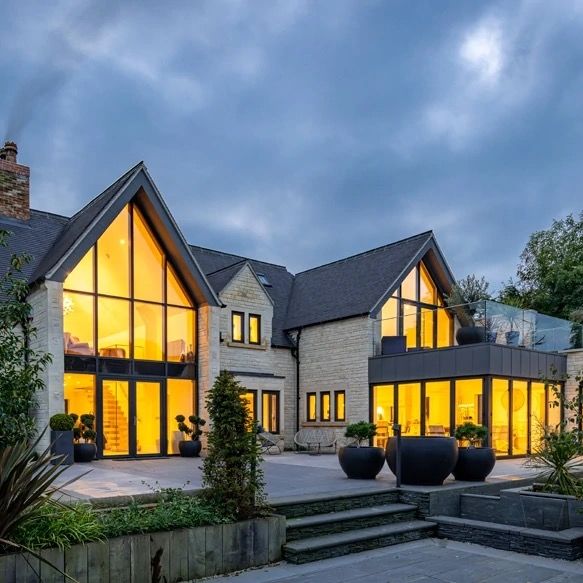
Stone house at dusk with glazed gables lit from inside and a terrace with planters
Illustrative

Your loan, worked through

Change the inputs to see the facility, the monthly drawdowns, the interest, the raise fees and what's left for you at the end.

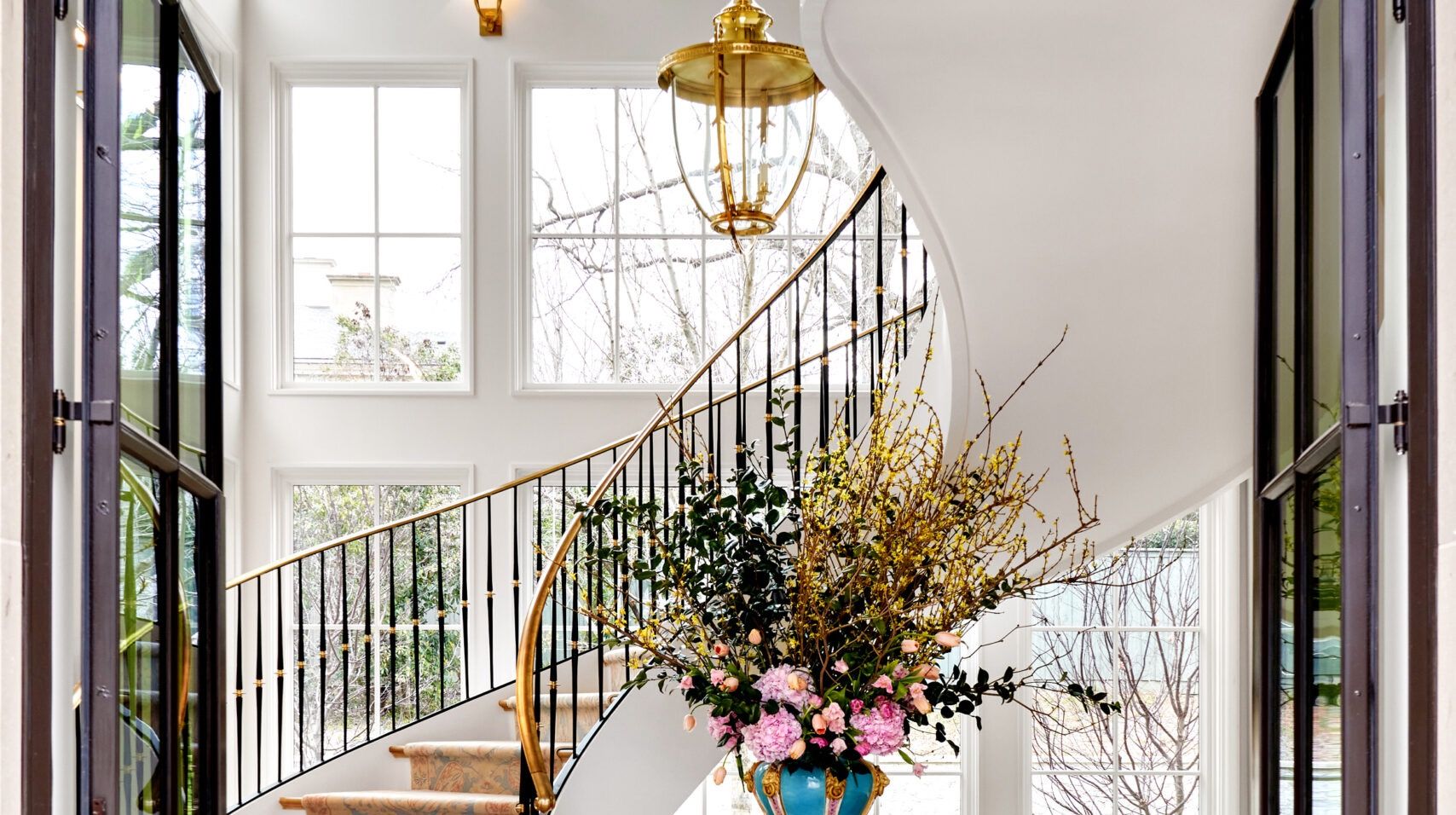
Entrance hall with a curved staircase, brass lantern and tall windows
How a raise works

One deal, one raise, four ways in.

Every scheme is raised on its own. Investors can lend into it, own a share of it, hold shares in the lending company for Business Relief, or hold any of these as digital tokens. Here's what happens in each, step by step, and who pays what.

Image illustrative of the standard we look for, not a completed project

1 · Development loan

Investors lend. The developer borrows.

  1. Scheme approvedValuation, cost plan and terms agreed. Loan sized on land + build costs.
  2. Campaign set upThe investor campaign is built for this deal. 2% set-up fee on funds raised, paid by the developer.
  3. Funds raised, land advanced2% up-front fee, paid by the developer as funds come in. Land advanced on day one.
  4. Build costs drawn monthlyReleased monthly in arrears, only against drawdowns certified by our own monitoring team. Interest rolled up or paid from trading.
  5. ExitSale or refinance repays investors with interest. The developer pays the 2% back end from the sale proceeds, and investors take 10% of any sale price above the agreed sale value.

2 · Invest & hold

Investors own units in the property.

  1. Property approvedOnly property already yielding 10%, or that can be improved to yield 10%. Valued on income, with a discounted cash flow for trading assets and the bricks and mortar as the floor.
  2. Units createdA property company is set up and the equity split into £1,000 units.
  3. Equity raised, property boughtUnits are raised alongside senior debt.
  4. Quarterly distributionsRent after debt service and our 10% fee on rent is paid per unit each quarter.
  5. SaleAt the end of the hold, net sale proceeds are paid out per unit, after our 10% of the profit.

All we take on a hold is a 2% introduction fee, 10% of the rent and 10% of the profit at sale. There are no set-up, raise or management fees.

3 · Business Relief

Investors hold shares in the lending company.

  1. SubscriptionInvestors subscribe for shares in an unquoted lending company.
  2. Company lendsThe company makes 1st-charge loans into approved schemes.
  3. Growth, not incomeInterest received builds up in the share price. No income is paid.
  4. Two yearsAfter two years the shares can qualify for Business Relief.
  5. On deathRelief applies up to the allowance. Beneficiaries can keep or sell the shares.

4 · Tokenised In development

Investors hold any of the above as digital tokens.

  1. Deal raised as normalThe loan or hold is approved and raised exactly as above, with the same fees.
  2. Tokens issuedEach investor's holding is recorded as tokens on a regulated digital register.
  3. Automated paymentsInterest or distributions go straight to token holders in proportion to what they hold.
  4. TransfersApproved investors can buy and sell tokens on the platform before the end of the term.
  5. ExitAt redemption or sale, tokens are paid out in cash and cancelled.

Platform fees for the tokenised route are to be confirmed.

Who pays what, on the worked example